is a form of stress that occurs because of how events in one's external or internal environment are perceived, resulting in the psychological experience of distress and anxiety (Lazarus & Folkman, 1984). Mental stress is often accompanied by physiological responses (Cacioppo, 1994).
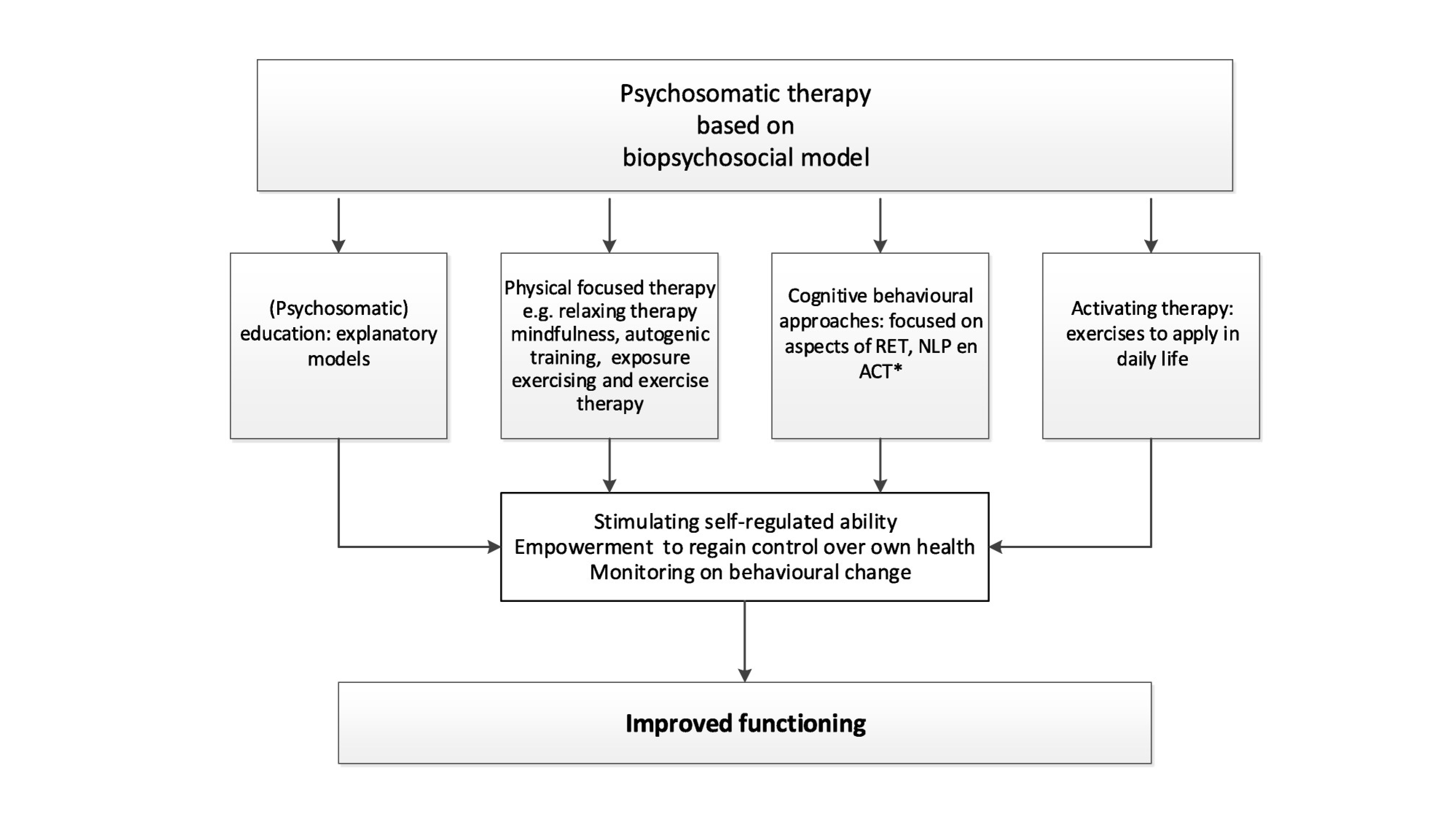
Psychosomatic means mind (psyche) and body (soma). Psychosomatic therapy is an interdisciplinary field exploring the relationships among social, psychological, and behavioral factors on bodily processes and quality of life in humans and animals. Some physical diseases are thought to be particularly prone to being made worse by mental factors such as stress and anxiety.
In other words, psychosomatic disorder is a psychological condition involving the occurrence of physical symptoms, usually lacking a medical explanation. People with this condition may have excessive thoughts, feelings or concerns about the symptoms, which affects their ability to function well.
Somatoform disorders are the major forms of psychosomatic illness. The physical symptoms of somatoform disorders are all too real, they have psychological roots instead of physical causes. The symptoms often times resemble symptoms of medical illness.
Psychosomatic symptoms in children are by definition clinical symptoms with no underlying organic pathology. Common symptoms seen in pediatric age group include abdominal pain, headaches, chest pain, fatigue, limb pain, back pain, worry about health, and difficulty breathing.
It's normal for children to feel worried or anxious from time to time, such as when they're starting school or nursery, or moving to a new area. But for some children, anxiety affects their behavior and thoughts every day, interfering with their school, home and social life.
Cognitive Behavior Therapy (CBT) is often the treatment of choice for a psychosomatic disorder. This therapy helps patients learn new ways to cope with and solve their problems as they gain a deeper understanding of their condition or circumstances.
Psychosomatic treatment and therapy involves a body-mind analysis. The intuitive therapy is able to read certain features of your body and tissue through sensitive palpation and interpret mental, emotional and physical experiences that have become part of your cell memory.
In a nutshell, psychosomatic therapy works by tapping into mind-body communication. By focusing on this connection, a therapist can help one work toward physical and emotional healing. It can then be possible to heal the mind through the body and heal the body by way of the mind.
Medical science has taken quantum steps to eliminate disease from our lives and to prevent further diseases. Psychosomatic therapy analysis seeks to bring our awareness to those areas of the body-mind where we can eliminate stress, tension and psychosomatic discomfort before they become disease, assisting medical science in its process of cure, by eliminating the source.